What Does a Social Media Manager Actually Do?
Most people think a social media manager posts pretty pictures on Instagram. That's about 10% of the actual job.

The role has changed dramatically. Today's social media manager is part strategist, part data analyst, part community builder, and part crisis manager. All at once.
Strategy, Not Just Posting
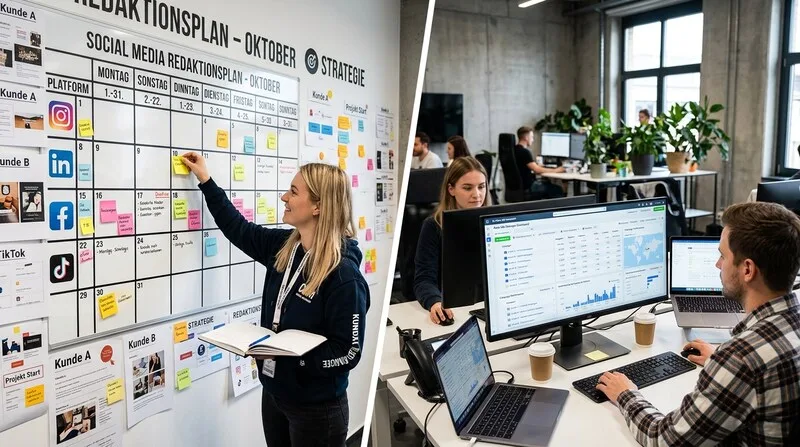
Good social media managers start with strategy: which platforms fit the audience, what tone is right for the brand, what KPIs actually matter. They build content calendars weeks in advance, align with broader marketing goals, and make every decision based on data — not gut feelings about what looks good.
Community Management: The Underrated Half of the Job
This is where most brands drop the ball. Your audience is talking to you every day. Are you talking back?

Community management means responding to comments within hours, managing DMs proactively, handling complaints before they escalate, and turning critics into advocates through thoughtful engagement. Done well, community management can outperform any content calendar. A brand that genuinely responds feels human. That trust is worth more than a thousand polished posts.
It's unglamorous work that few job descriptions accurately describe. And it matters more than the content itself.
Analytics and Reporting
If you can't measure it, you can't improve it. Social media managers track: engagement rate (not just likes), reach and impression trends, follower growth quality (not just quantity), click-through rates to website, story completion rates, saves and shares (stronger intent signals than likes), and conversion attribution from social traffic.
Then they translate that data into decisions: which content formats to scale, which platforms to deprioritize, when to post for maximum organic reach, and what topics the audience actually engages with versus passively consumes.
Content Creation and Briefing
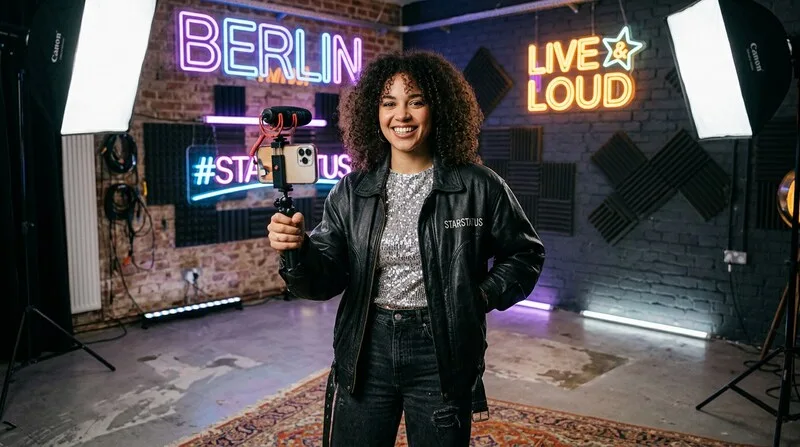
Yes, social media managers create content. But in 2026, the most effective ones are content directors rather than content producers. They brief designers and videographers, write scripts, review and approve creative, and ensure brand consistency across all assets.
The creative judgment required is high: understanding what the algorithm rewards on each platform, what drives saves and shares (far more valuable than passive likes), what stops the scroll in the first 2 seconds, and what actually converts versus just entertains.

Paid Social: Increasingly Non-Optional
Organic reach on most platforms has been declining for years. Meta's organic reach for pages is under 5% of followers. TikTok's algorithm still rewards organic content heavily, but even there, paid amplification is becoming standard practice.
This means many social media managers are now expected to run paid campaigns too: Meta Ads, TikTok Ads, LinkedIn Ads. Knowing how to build audiences, structure campaigns, set budgets, and interpret performance data is no longer optional for senior-level roles.
Understanding how the budget splits between organic management and paid amplification is essential before hiring. Our marketing budget guide breaks down what social media management actually costs, and our deep-dive on Facebook Ads in 2026 covers the paid side in full detail.
Crisis Management: The Skill Nobody Lists But Everyone Needs
Social media crises happen. A misinterpreted post, a trending negative hashtag, a public complaint that goes viral. The social media manager is the first responder.

They need a pre-prepared crisis protocol, escalation decision trees, tone guidance for different severity levels, and the judgment to know when to pause scheduled content and when to respond publicly versus privately. Speed and accuracy matter more than perfection in these moments.
What It Pays in 2026
Salary ranges vary significantly by market, brand size, and whether you're in-house or agency-side:
| Level | Experience | Salary (DE) | Focus |
|---|---|---|---|
| Junior | 0–2 years | €30,000–42,000 | Execution, scheduling, community management |
| Mid-Level | 2–5 years | €45,000–60,000 | Channel strategy, analytics, campaign briefing |
| Senior / Head of Social | 5+ years | €65,000–90,000+ | Team leadership, paid social, executive reporting |
Agency-side roles typically pay 10-15% less than equivalent in-house positions but offer exposure to dozens of brands, faster skill development, and more structured career paths. Freelance social media managers typically charge €60-120 per hour depending on specialization and market.

The Tools of the Trade
A modern social media manager works across a stack of tools. The core categories:
Scheduling and publishing: Later, Sprout Social, Buffer, or Meta Business Suite. Centralizes posting across platforms, enables queue management and calendar view.
Listening and monitoring: Brandwatch, Mention, or Sprinklr. Tracks brand mentions, competitor activity, and trending conversations in real time.
Analytics: Native platform analytics (Meta Insights, TikTok Analytics, LinkedIn Analytics) plus GA4 for cross-channel attribution. Some teams use Looker Studio for consolidated dashboards.
Creative production: Canva for lightweight content, Adobe Creative Cloud for higher production value. Figma is increasingly used for templating and design system management.
AI tools: In 2026, most social media managers use AI for caption drafts, hashtag research, and content repurposing. The skill is knowing how to brief AI tools and edit their output — not replace judgment with automation.
How to Hire: What to Look For
The most important thing most job descriptions miss: ask for performance data, not just content samples. A portfolio of good-looking posts tells you nothing. Ask: "What was the engagement rate on this content?" and "What did you learn from the analytics that changed your approach?"
For senior roles, ask about crisis experience. Everyone has encountered a post that underperformed — the interesting answer is what they did next. Did they investigate why? Did they test a different approach? Did they update their content playbook?
Red flag: candidates who talk exclusively about aesthetics and have no data to back their work. Green flag: candidates who lead with results and explain the reasoning behind their creative decisions.
"The best social media managers are marketers first. The social media part is the channel. The marketing instincts — understanding audiences, testing hypotheses, measuring outcomes — that's the job."
Frequently Asked Questions: Social Media Manager
What does a social media manager do day to day?
A social media manager's daily work includes: content creation and scheduling (writing captions, sourcing or creating images and videos, scheduling posts across platforms); community management (responding to comments and messages within response time SLAs); analytics monitoring (tracking reach, engagement, follower growth, and reporting on performance weekly); trend monitoring (staying aware of platform algorithm changes, trending formats, and competitor activity); collaboration with creative and paid media teams (briefing designers, coordinating with performance marketers on organic-paid integration); and campaign planning (developing content calendars aligned with marketing objectives and product launches).

What is the difference between a social media manager and a content creator?
A social media manager is primarily strategic and operational: they plan, schedule, analyze, and optimize — managing the overall social media presence across channels. A content creator focuses on production: writing, filming, editing, and publishing individual pieces of content. In small organizations, one person does both. In larger organizations, the social media manager leads 3–8 content creators and sets the strategy, while the creators execute specific content types. Key skill difference: social media managers need analytics literacy and campaign management skills; content creators need production skills (video editing, writing, design) and platform-native creative intuition.
What tools does a social media manager need?
Essential social media management tools: Scheduling and publishing (Hootsuite, Buffer, Later, or Sprout Social); design (Canva for quick graphics, Adobe Creative Suite for professional design); video editing (CapCut for social-native video, Premiere Pro for longer formats); analytics (native platform analytics + Google Analytics 4 for web attribution); social listening (Brandwatch, Mention, or native platform notifications); and project management (Notion, Asana, or a content calendar in Google Sheets). For agencies managing multiple clients, an additional client portal tool (Loomly, Sendible) streamlines approvals and reporting.